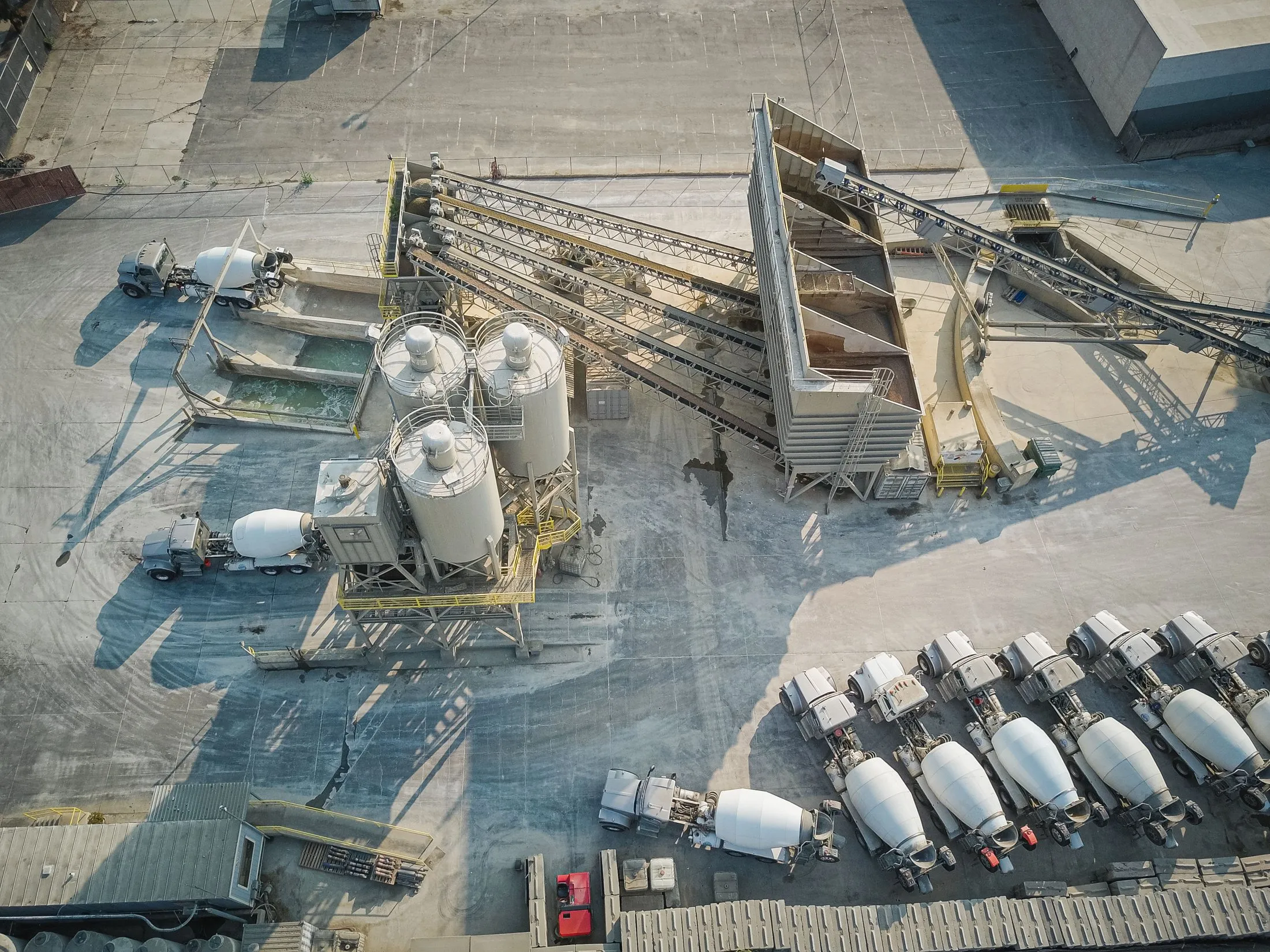
Silos that don't block — steady process air
Silo aeration, pneumatic conveying and process air are continuous but variable — energy efficiency and boundary noise matter just as much
Help me chooseTypical challenges
01
Silo aeration, conveying and process air are continuous and variable
02
Old units are inefficient and costly to run
03
Noise affects the area around the plant
04
A blocked silo stops the whole line
What compressed air does here
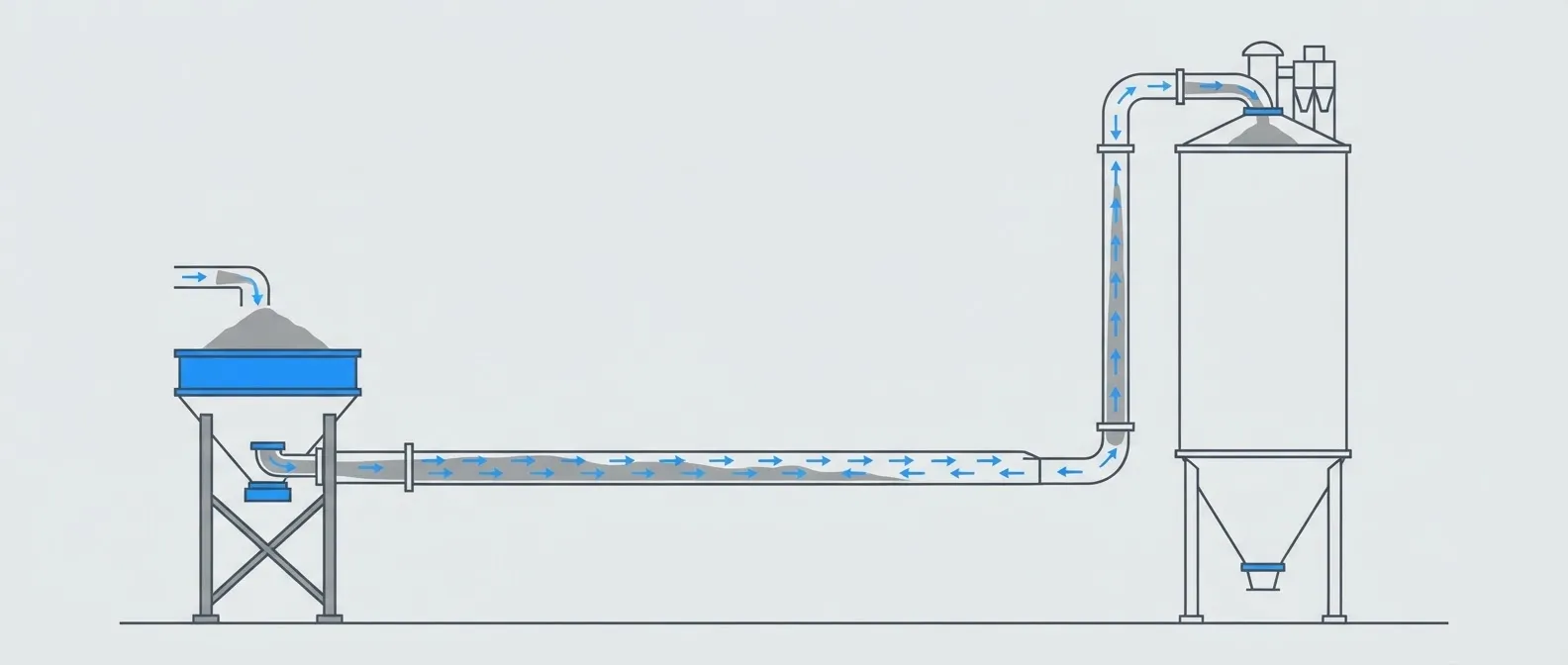
Pneumatic conveying
Compressed air moves material and keeps the line running
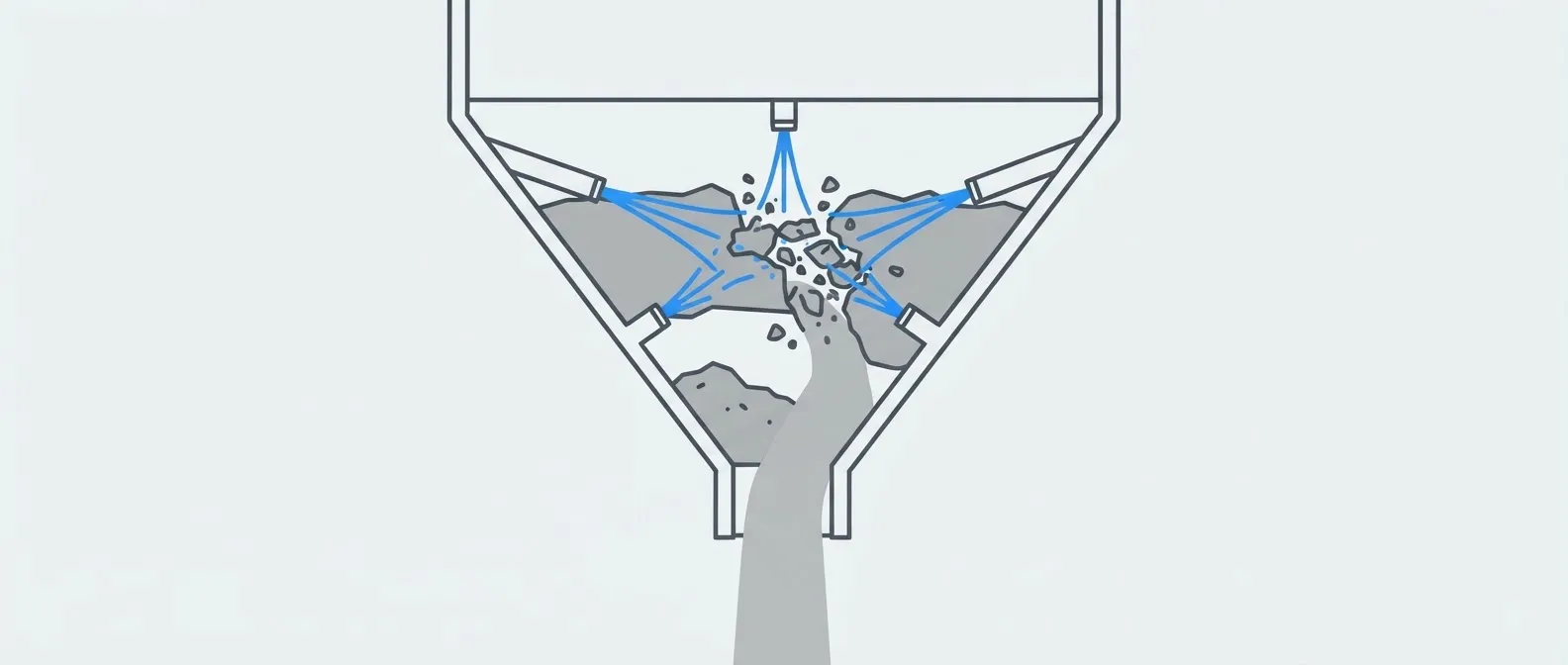
Silo unblocking
Fast response to silo blockages reduces downtime
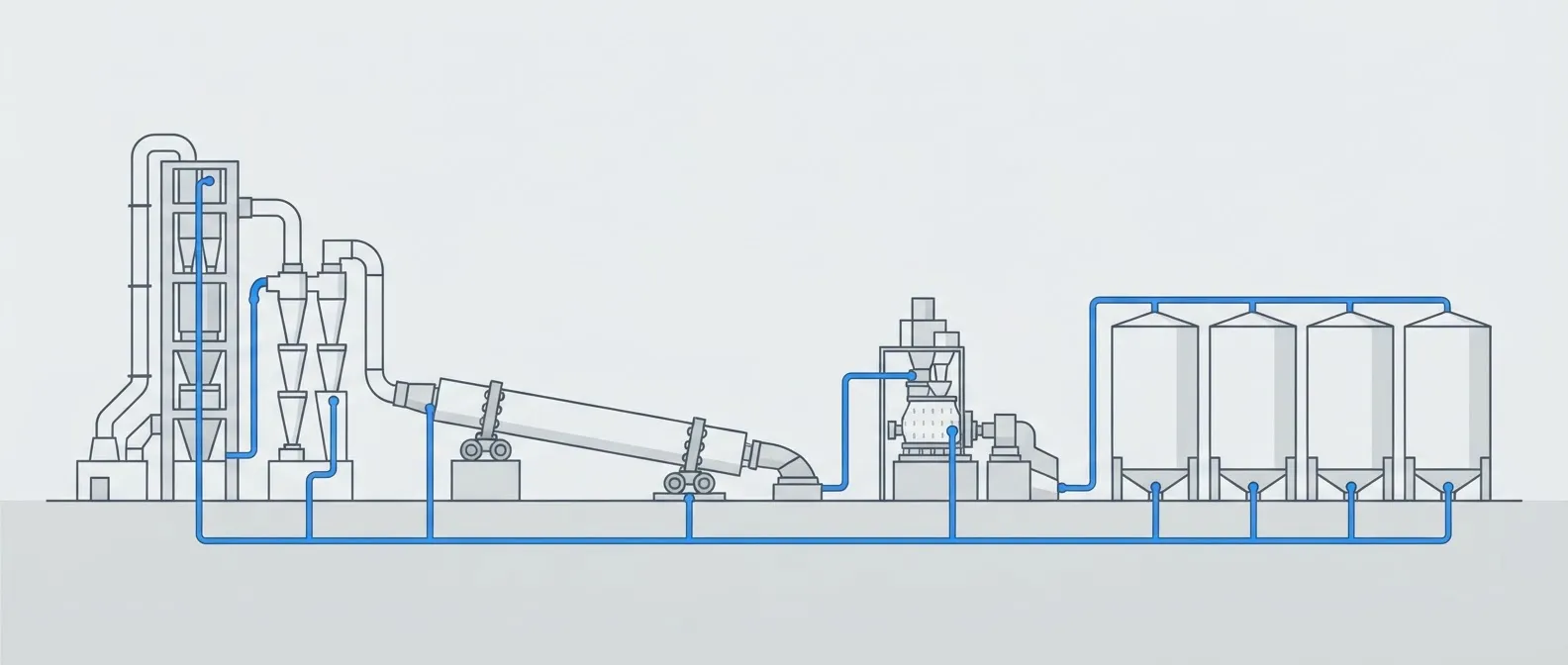
Process air
Steady air for other process steps
Recommended configuration
Typical hole size / depth / duty
Depends on the line's process air profile
Recommended pressure & air delivery
Electric two-stage units configured to the air profile — 34 m³/min @ 20 bar typical
Recommended models
- DM250-34/20View model ›
Results
More stable process air and faster response to blockages; boundary noise within limits and lower energy per cubic metre (from a cement plant in east China)
Recommendations
- Set the control strategy to the process air profile to avoid waste at low load
- Multi-layer acoustic canopies keep boundary noise down
- Silo unblocking speed decides line continuity — keep spare air capacity
Cement production — FAQ
Air demand varies a lot — how do I select?
+
Configure to the actual process air profile and use the control strategy to handle swings, so units don't run at low load for long.
We have boundary noise limits — what can we do?
+
Choose models with multi-layer acoustic canopies and confirm against your local requirements.
Electric or diesel?
+
Cement plants usually have stable power, so choose electric — lower running cost and longer service intervals.