
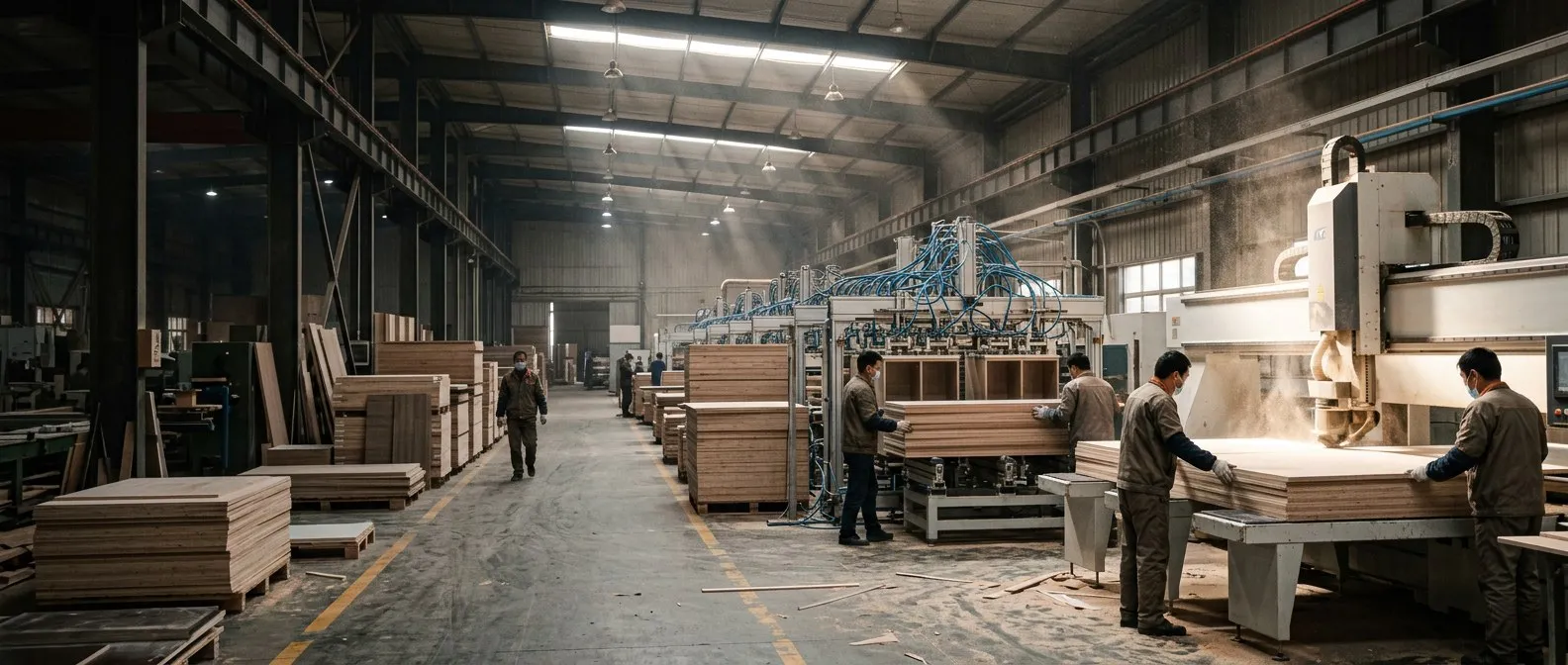
Wood dust everywhere — the air supply has to cope
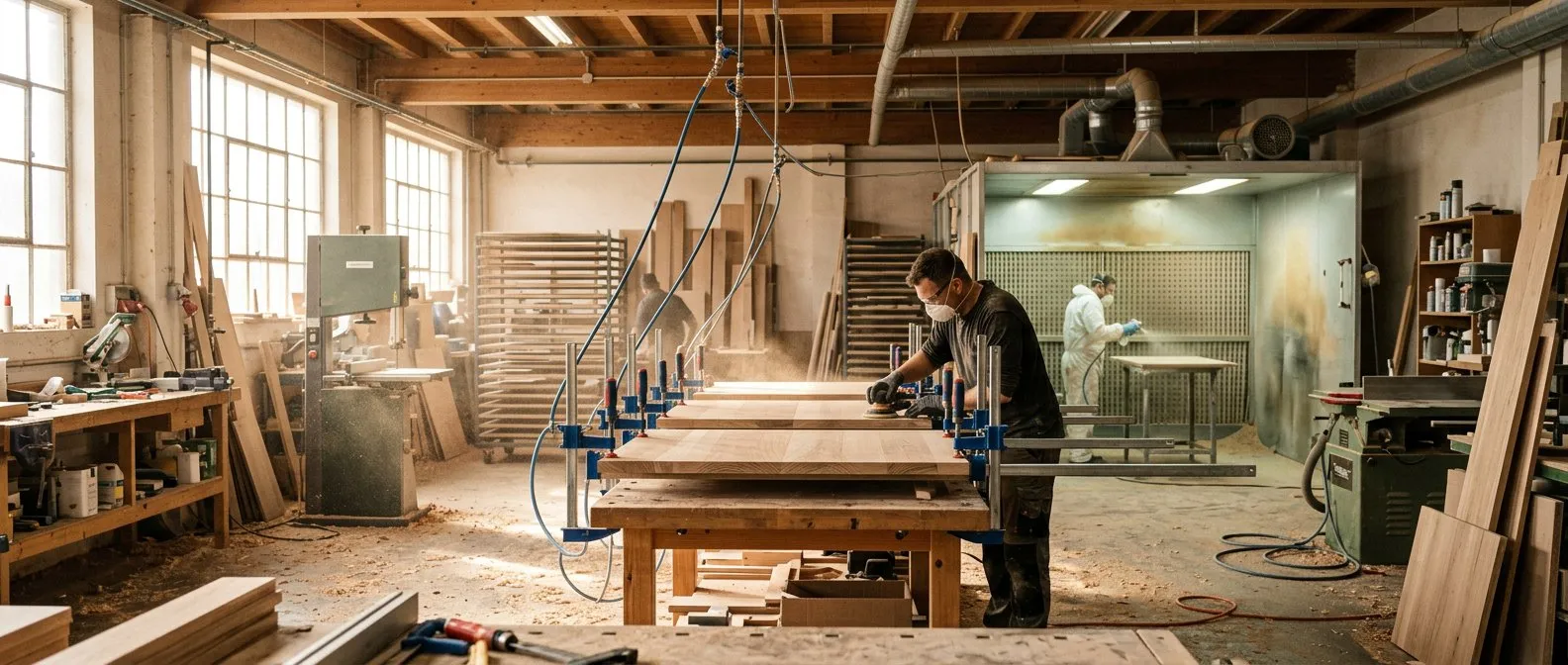
Pneumatic clamps, blow-off and spraying share the supply in dusty workshops, so intake filtration and protection matter
Help me chooseTypical challenges
01
Clamps, blow-off and spraying — many scattered air points
02
Heavy wood dust means frequent filter changes and cost
03
Workshops next to offices need quiet units
04
Poor intake filtration speeds up airend wear
What compressed air does here
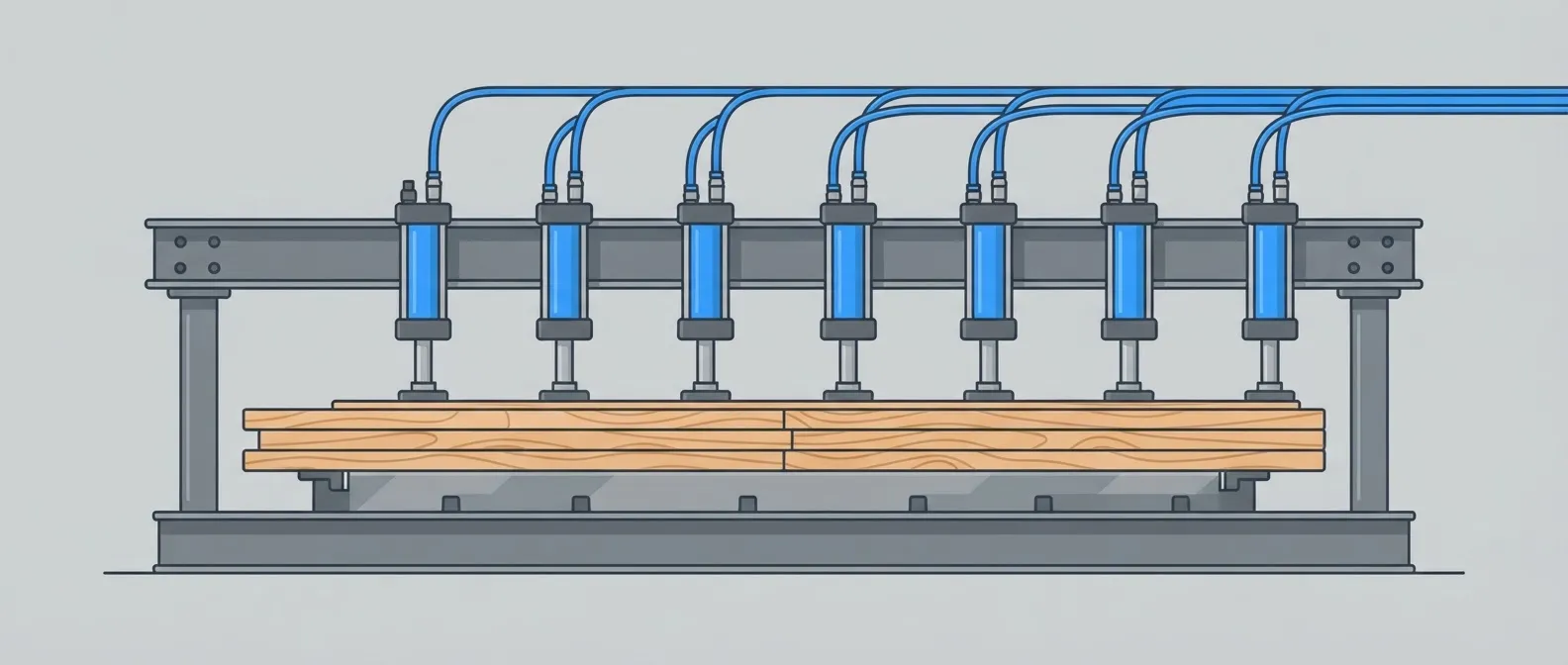
Pneumatic clamps
Steady clamping force along the line
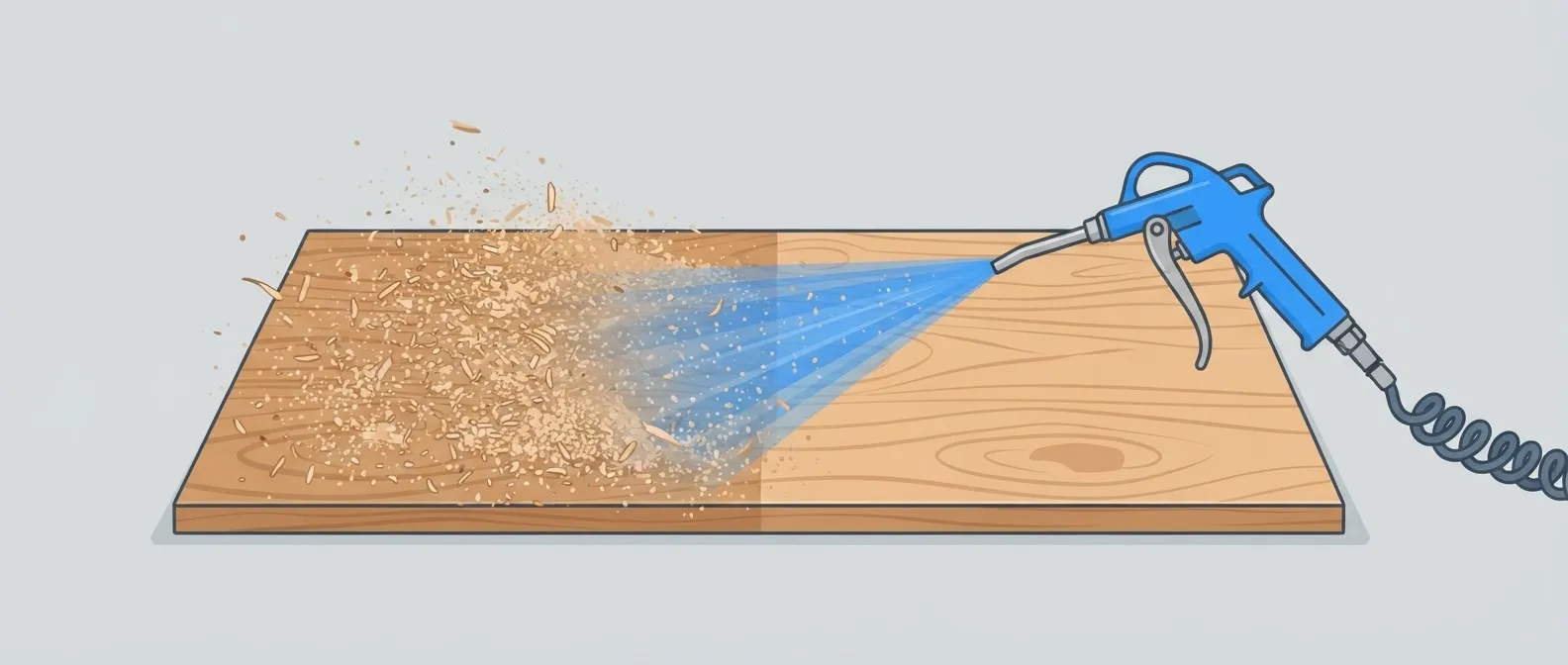
Blow-off
Compressed air cleans dust from workpieces
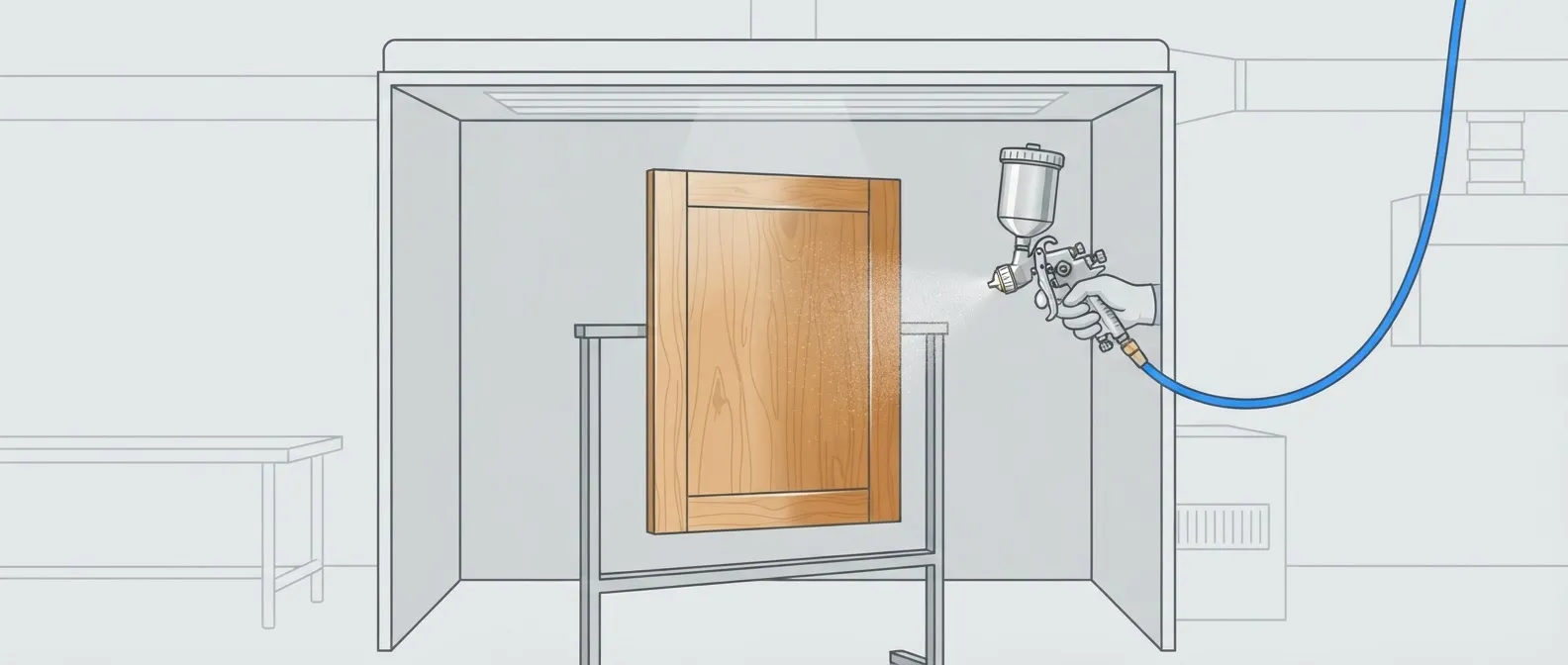
Spraying
Clean, steady air for spray equipment
Recommended configuration
Typical hole size / depth / duty
Depends on the number of air-using stations
Recommended pressure & air delivery
Enhanced intake filtration — 17 m³/min @ 13 bar typical
Recommended models
- LGDY132-17/13View model ›
Results
Longer filter intervals and much less noise in the offices (from a wood products company in east China)
Recommendations
- Enhanced intake filtration for wood dust extends filter life
- Low-noise acoustic design suits workshops next to offices
- Check intake filtration regularly so dust doesn't wear the airend
Woodworking — FAQ
What does a dusty woodworking shop require?
+
Enhanced intake filtration, so filters don't need constant changing and dust doesn't wear the airend.
Our workshop is next to offices — how do we keep it quiet?
+
Choose a low-noise acoustic design that damps noise from the airend mounts to the canopy lining.
Is the LG Series suitable for woodworking?
+
Yes — LG electric units are efficient and, with enhanced filtration, cope well with dusty workshops.