
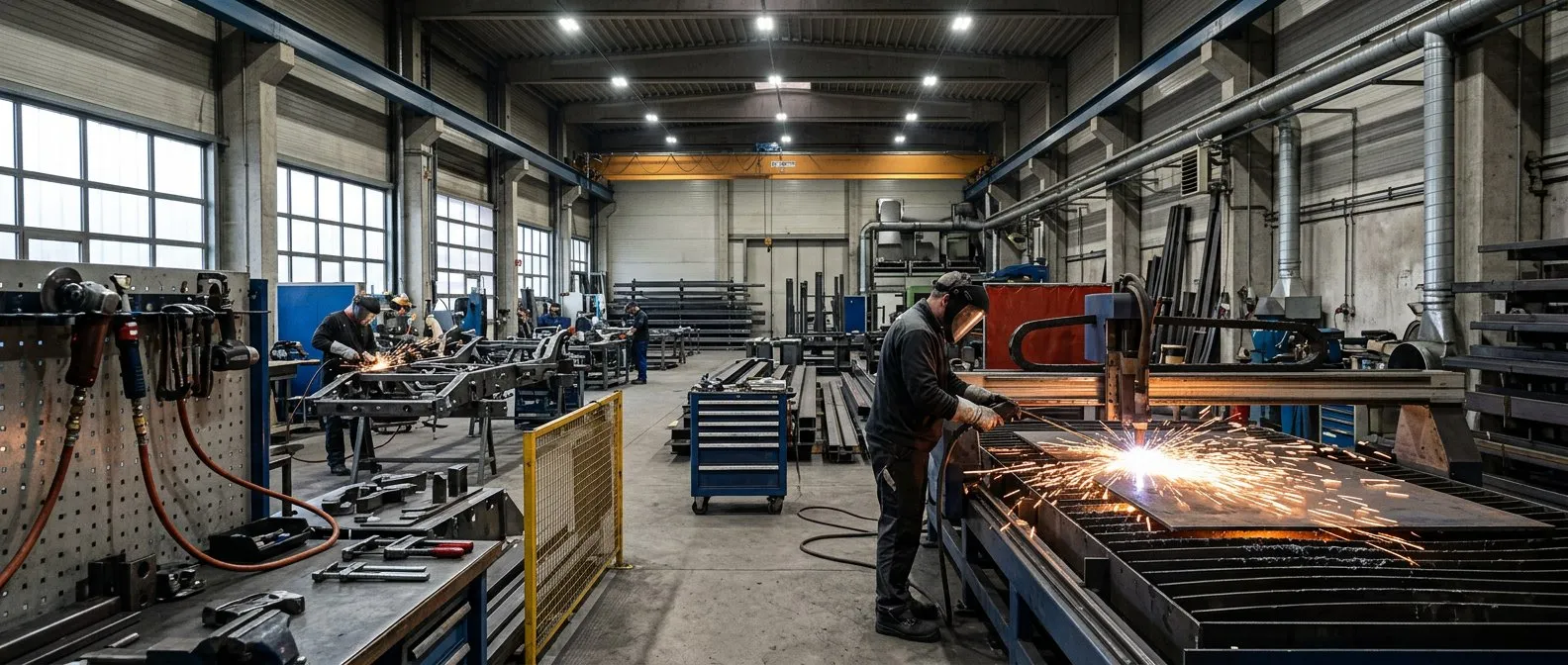
Cutting and assembly both need air — even when shifts change
Plasma cutting, air tools and assembly lines share the supply, demand changes between shifts and pressure stability decides cut quality
Help me chooseTypical challenges
01
Plasma cutting, air tools and assembly all draw air
02
Demand varies between shifts; fixed-speed units waste power at low load
03
Pressure swings spoil plasma cut edges
04
Maintenance depends on specialists who aren't always available
What compressed air does here
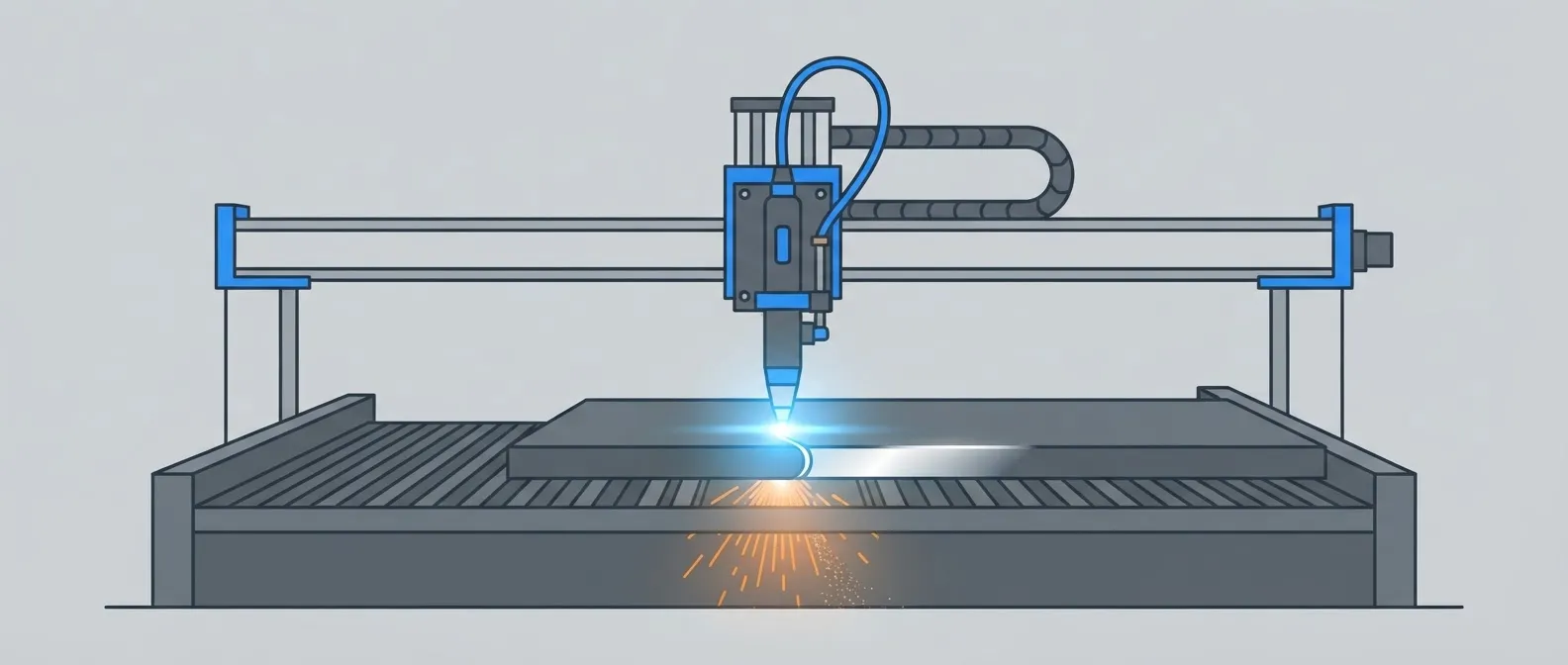
Air for plasma cutting
Steady air keeps cutting pressure right and edges clean
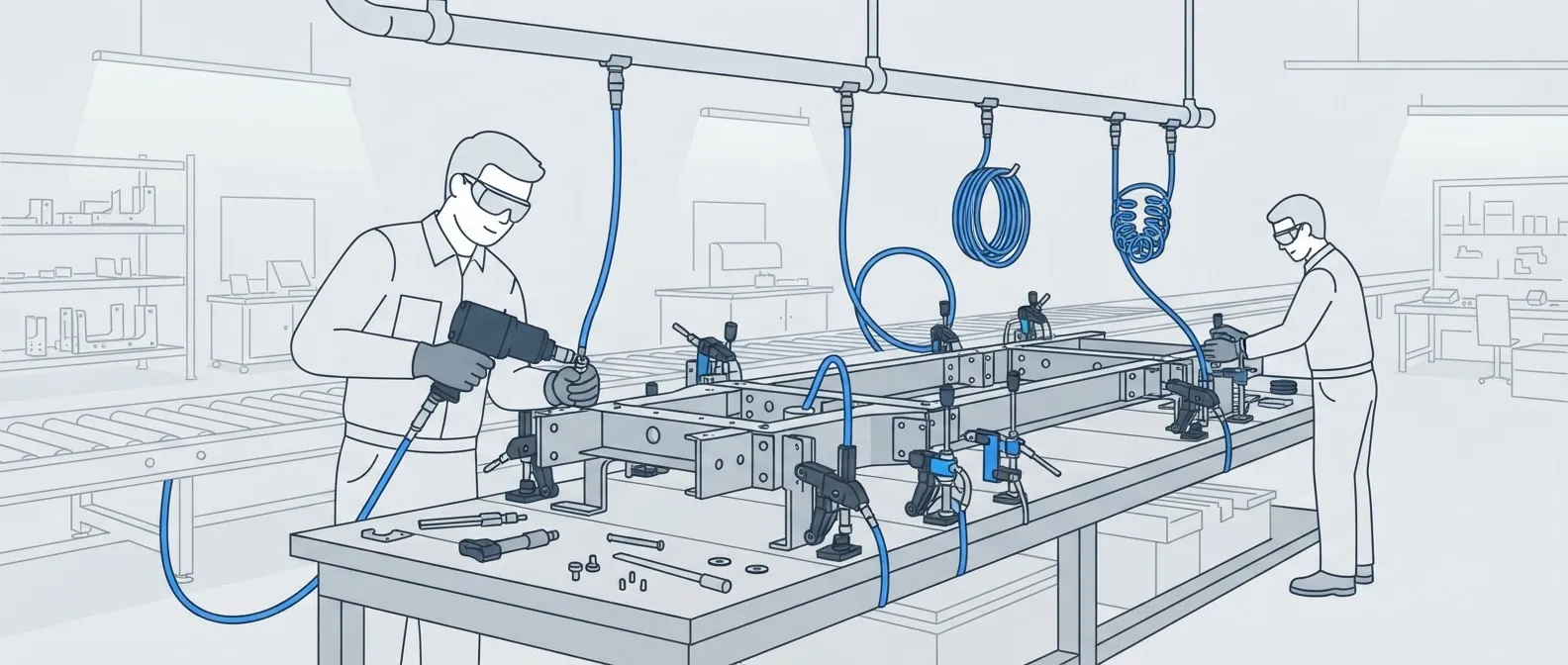
Air tools and assembly
Powers impact wrenches, fixtures and other assembly tools
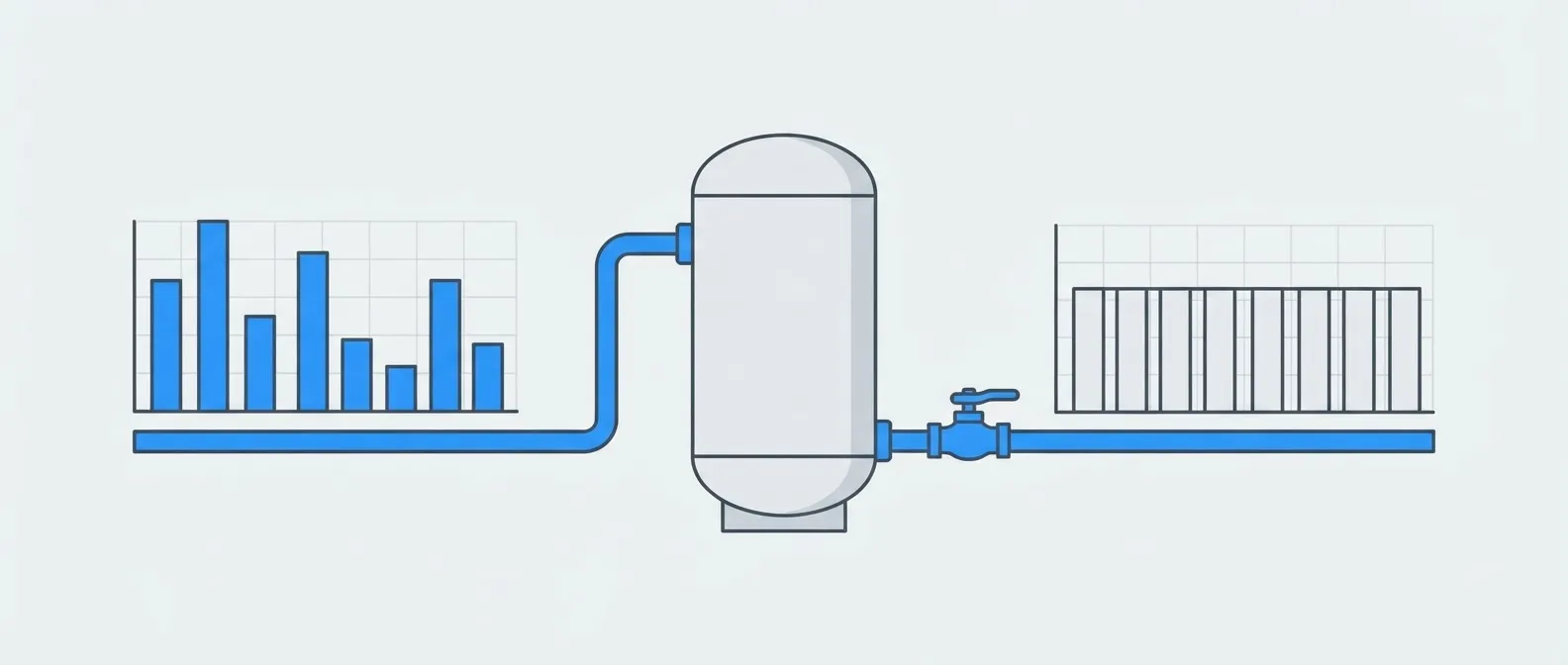
Peak shaving
Receivers smooth out demand between shifts
Recommended configuration
Typical hole size / depth / duty
Depends on the number of air-using stations
Recommended pressure & air delivery
Total air from each station's utilisation — 17 m³/min @ 13 bar typical
Recommended models
- DM132-17/13View model ›
Results
Lower power use at low load and better plasma cut edges thanks to stable pressure (from a metal products plant in north China)
Related case studies
Air for plasma cutting and pneumatic assembly at a metal products plant in north China
Total air was sized from each station's simultaneous use; an electric unit with a receiver handles peaks, and grouped service parts allow in-house maintenance.
DM132-17/13
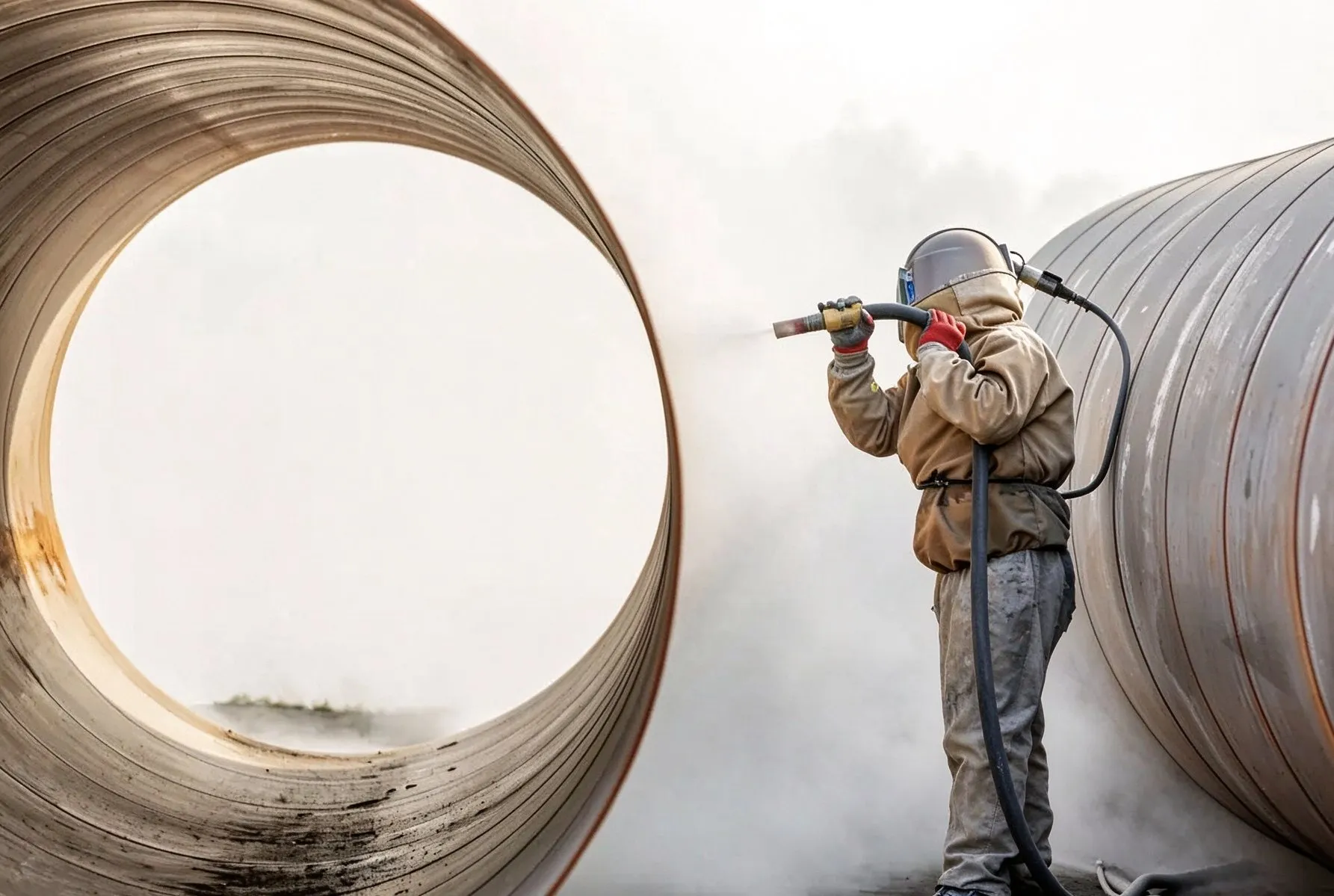
Air supply for steel-structure sandblasting at a coastal shipyard
Electric units cut running cost and noise, an outdoor-grade anti-corrosion finish copes with salt air, and total air was sized from the number of nozzles in use with a margin.
DM185-28/18
Recommendations
- Size total air from station utilisation and use receivers for peak shaving
- Service parts grouped together for in-house maintenance
- Prioritise pressure stability — it decides plasma cut quality
Metal fabrication — FAQ
How do I size air for many stations?
+
Use each station's simultaneous utilisation and add receivers for peak shaving, rather than adding up maximum demands and oversizing.
Does unstable pressure affect cut quality?
+
Yes — pressure swings directly affect plasma cut edges. Choose a unit with steady output and keep up routine maintenance.
Can our staff maintain the unit?
+
Yes. Units with grouped service parts are easy to maintain in-house, reducing reliance on outside technicians.